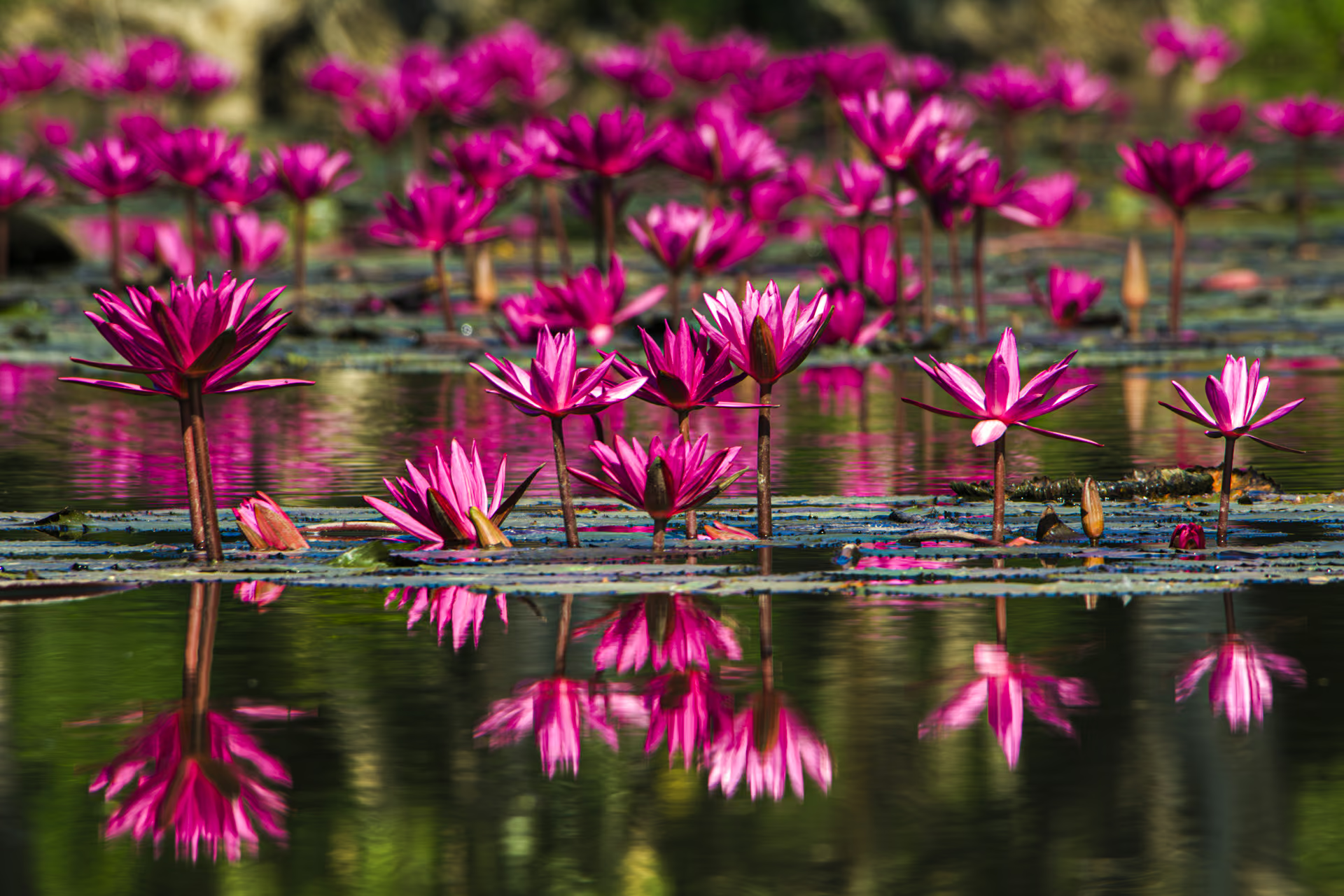
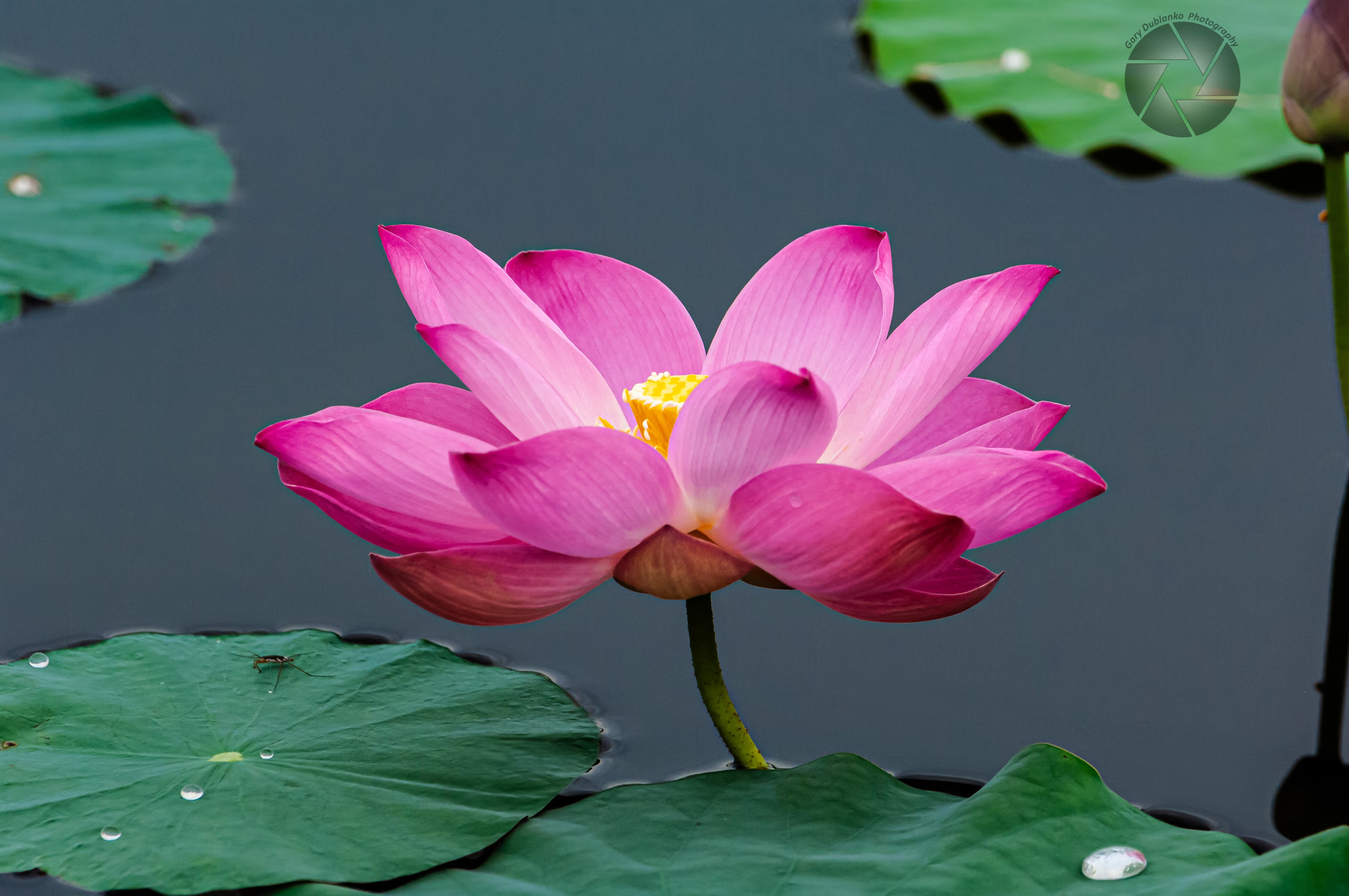
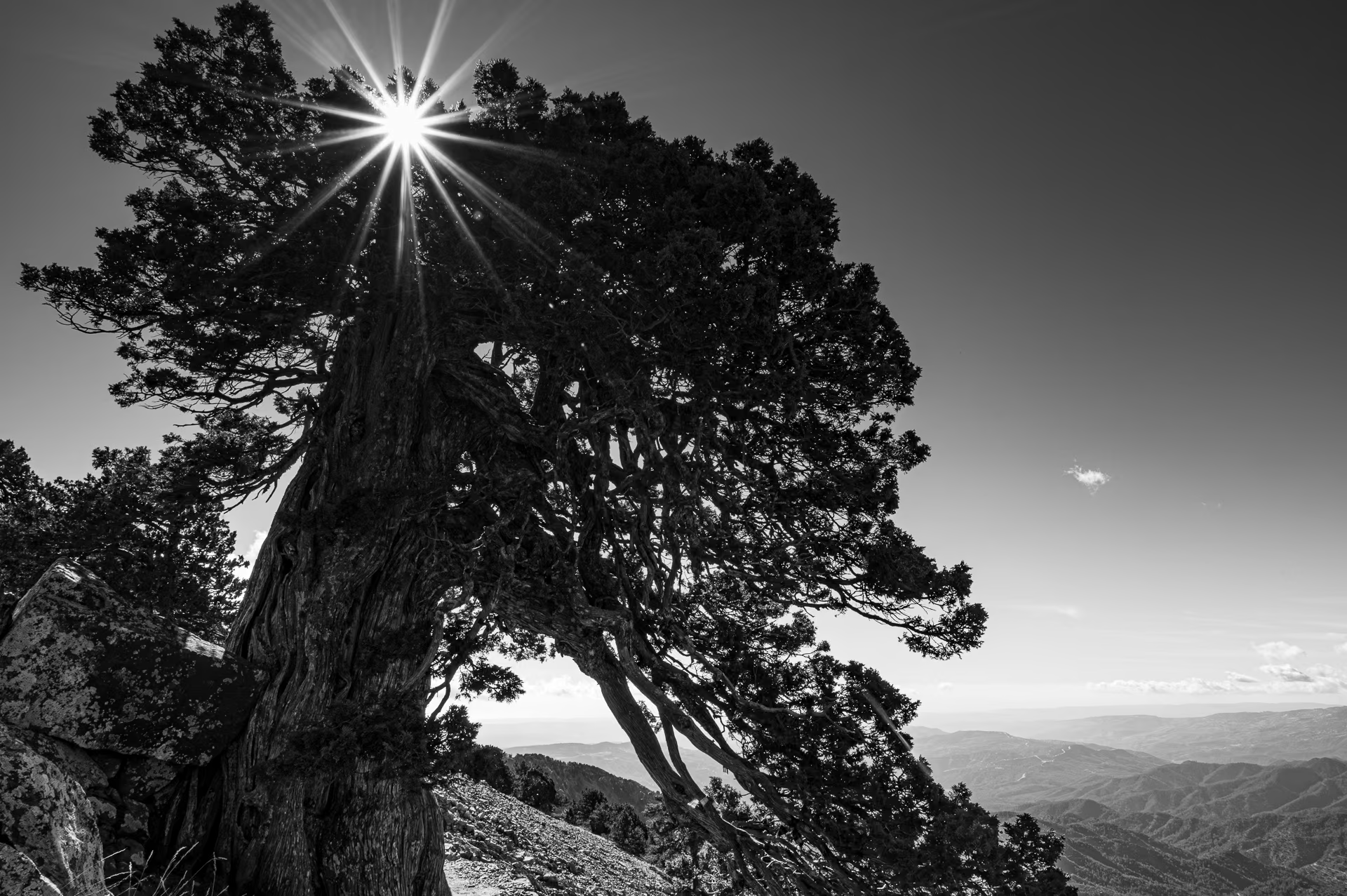
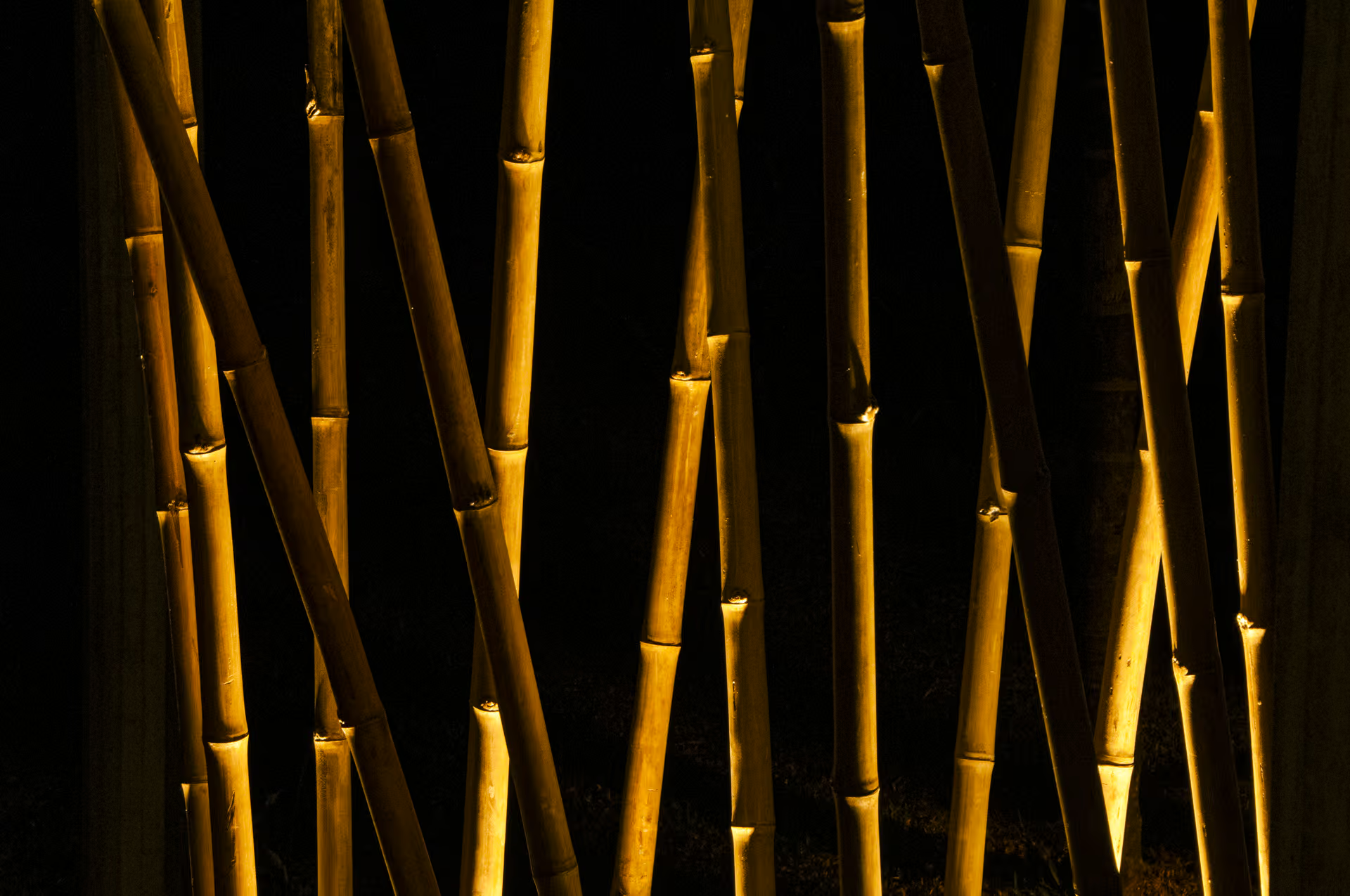
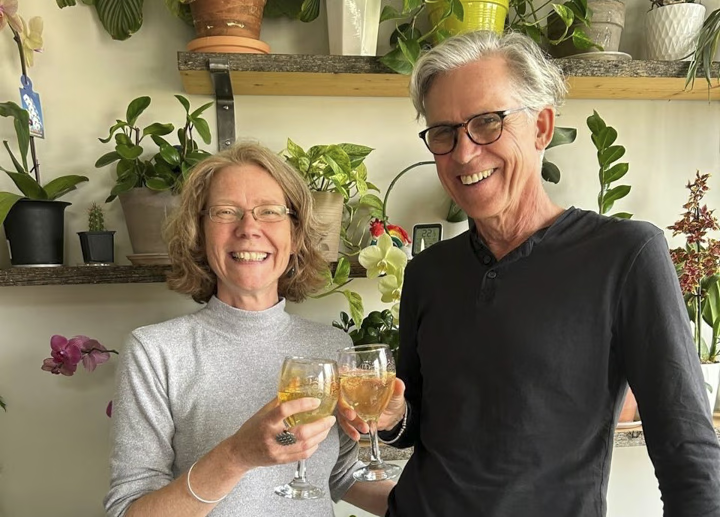
They met in Cairo in 1998, Gary partway through an engineering career that had already carried him through several countries, Dea midway through a Master's degree that had taken her far from the Copenhagen she'd grown up in, and built a life together on the restlessness to keep moving and the instinct, wherever they were, to make it feel genuinely like home. What each carried was different and, as it turned out, complementary: Dea's Danish design sensibility, layers of light, clean lines, nothing in a room that didn't earn its place, paired with Gary's practical grounding from a farm in Canada and years in Southeast Asia learning that great hospitality is felt, not just seen. They put those ideas into practice designing and building two homes in Thailand, the second, Dama Zamya, built entirely off-grid and recognised with an architectural sustainability award, and learned there that attention, more than any material expense, is what makes a space genuinely desirable. Since then they've stayed in short-term rentals, from simple jungle huts to bespoke luxury stays, across more than forty countries, and spent just as many years on the other side hosting guests in properties they designed and built themselves; that double perspective, as guest and host hundreds of times over across very different kinds of places, is the foundation of everything at zAmya Studio.
Whether they're reviewing a listing or standing in a room that isn't quite working, that same instinct applies. Gary's eye for light and composition, sharpened over thirty-five years as a photographer, picks apart what a space actually communicates versus what was intended. Dea reads the finer details: the proportion that's slightly off, the light that flattens a room, the amenity claimed but never shown, the small signals of care or neglect anyone registers without consciously naming. Beneath both runs a third thread, the one that ties the studio together: an understanding, drawn from the psychology of perception and well-being, of what makes a space feel right the moment you walk in: specific cause and effect, not something that can be taught. Together, they built the methodology behind zAmya Studio, the Silent-Factor Standard, the Function & Ambience framework, the Dusk-Glow Shot List, and the Sleep Score, and they personally handle every project, whether it's a home or a rental.
The question they always return to is the same: not what is wrong, but what is genuinely present, and what is quietly missing.
They are based in Paphos, Cyprus.